Google Reviews for a Tourism Business in Eilat: How to Ask a Tourist Who Leaves Tomorrow
A tourism business in Eilat has a one day window to ask for a Google review. The tourist leaves tomorrow, and the moment they get home the experience fades. The right moment to ask is at the peak of the experience. At the end of the activity, at checkout, or with the bill. On WhatsApp, with a direct link, in the guest's language. You may ask every customer. You may not filter in advance and you may not offer a perk in return.
Why a tourist's review has a one day window
Most guides on Google reviews were written for a neighborhood business. A hair salon the customer visits every month can ask for a review on the next visit too. A tourism business in Eilat has no next visit. The guest finished a tube ride at the beach, ate dinner, and tomorrow morning they are on their way home. If the request did not reach them before they left the city, it will probably never reach them. A week after the vacation the experience is already a distant memory and the motivation to write is gone.
This short window is worth the effort because reviews are not decoration. Google writes on its official page about improving local ranking that more reviews and positive ratings can improve the business's position in local results. The Whitespark Local Search Ranking Factors survey, 2026 edition, attributes about 15 to 17 percent of the ranking weight in Maps to review signals and notes that their importance has only grown. A tourist searching for a boat trip or a restaurant from their phone sees the businesses with reviews first. We covered how the whole local search mechanism works in our article on the Google Business Profile.
What Google allows and what is forbidden when asking for reviews
The good news is that Google does not just allow asking for reviews, it recommends it. Its official page with tips for getting reviews says explicitly to remind customers to leave a review through a link or a QR code. On the same page Google adds that a mix of positive and negative reviews looks more trustworthy to potential customers. In other words, there is nothing wrong with the request itself. A business that is embarrassed to ask is simply giving up an asset.
The prohibitions start when you filter. The Google Maps content policy forbids a business from discouraging negative reviews or asking for reviews selectively, only from happy customers. The practice is called review gating and it is an explicit violation of the policy. Even an innocent phrasing like, if you enjoyed it leave us a review, is considered borderline by professional guides because it speaks only to the happy ones. The safe phrasing asks every customer for feedback with no precondition. The same policy also says you may not pressure a customer to leave a review while they are at the business, and you may not ask them to write specific content. Asking is allowed. Pressuring and dictating are not.
The second prohibition is even sharper. You may not offer an incentive in exchange for a review. Not payment, not a discount, and not a free product or service. That is Google's own wording, and it also applies to paying for the editing or removal of a negative review. The official tips page defines incentives as fake engagement. The consequences, according to professional policy guides, range from review removal to suspension of the entire profile. The same logic applies to buying fake reviews. It is a policy violation and it puts a profile built over years at risk. A tourism business that lives on visibility in Maps cannot afford that gamble.
How to get a direct link and why to send it on WhatsApp
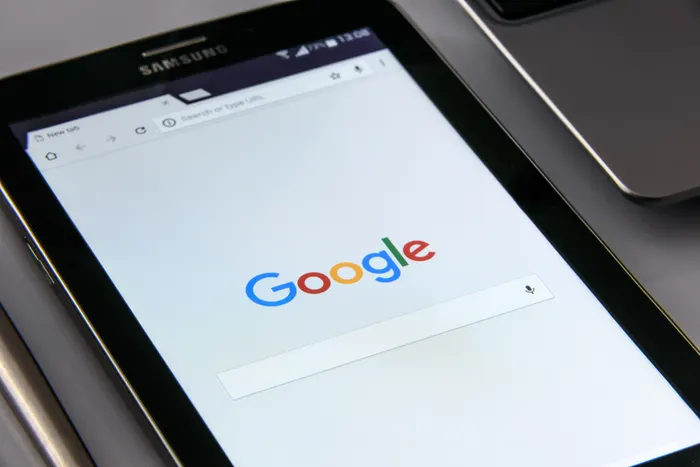
A tourist will not go search for your business on Google just to leave a review. Every extra step along the way drops some of the people. So the work starts with a direct link that opens the review writing window in one click. In the Google Business Profile, go to the reviews area and choose the option for getting more reviews. From there you copy a share link or download a QR code to print. Note that the QR code can only be generated from a desktop browser, not from a phone. Behind the scenes it is a Google link that contains the business's place ID and leads straight to the writing window.
The natural channel to send the link on is WhatsApp, because the guest is already there. A booking that came in through the system left an open conversation with a verified number. A short thank you message at the end of the activity, with the direct link, reaches the guest while the experience is still warm. And if the guest speaks English or Russian, the message goes out in their language. A request in Hebrew to a tourist who does not read Hebrew is a request that gets deleted. We wrote about building the foundation of consent and orderly sending in our article on a WhatsApp customer club.
When to ask, by type of business
The right moment to ask is the peak of the experience, not the end of the day. In each type of business that peak lands somewhere else, so there is no single formula for everyone. The principle stays fixed. Catch the guest when they are happiest, and before they leave the city. Here is how it looks in tourism businesses in Eilat.
| Type of business | The moment to ask | How it works in practice |
|---|---|---|
| Water sports beach | At the end of the activity | The guest comes out of the water happy. A thank you message with the direct link goes out on WhatsApp within the hour |
| Restaurant | With the bill | A printed QR code is served with the bill, or a link in a summary message. The moment right after a good meal is the most generous moment |
| Accommodation | At checkout | Ask how the stay was and send a thank you message with the link before the guest heads home |
| Attraction | At the exit | A sign with a QR code at the exit point, and a message in the guest's language that same evening, while the photos are still being shared in the family group chat |
Reply to a review in the language it was written in
A tourism business in Eilat gets reviews in Hebrew, in English and in Russian, and sometimes in more languages. Google explicitly recommends replying to reviews. Its local ranking page says that responding to reviews shows customers the business values their feedback. Professional guides in Hebrew add a practical bar of replying within about 24 hours. For a tourism business there is one more layer. Reply in the language the review was written in. A tourist who wrote in English will not understand a thank you in Hebrew, and the next tourists reading the reviews in English will judge the business by the reply they can actually read.
The reply is not a private conversation. It is public text that every future searcher sees. One short, warm, to the point reply does more than ten generic thank you very much replies. And whoever replies regularly also quickly spots operational problems that keep repeating between the lines of the reviews.
A steady stream of reviews is worth more than an August wave
Eilat's seasonality creates a problem no national guide talks about. In August the business is full and the reviews flow on their own. In November the beach is quiet and the profile freezes. The Whitespark survey found that a continued stream of reviews over time is a ranking factor in its own right, and that steady accumulation beats a sudden spike. Review recency was also found there to be a significant factor. In other words, a hundred reviews from August do not cover a whole winter of silence.
The practical conclusion is to make the request part of the process, not a seasonal push. Every booking that ends triggers a request. Even in winter, when there are ten customers a day, ten customers get the link. That way the profile shows continuous activity all year round and the latest review is always fresh. A business that asks only when it is packed looks to Google and to tourists like a business that only lives in August.

A negative review from a tourist who already flew home
A negative review from a tourist is different from a negative review from a local. The local might come back and you can fix things face to face. The tourist is already home and will not see the compensation you offer. So the public reply is not written for them. It is written for the hundreds of tourists who will read it over the next year and decide by it whether to book. Google itself notes that a mix of positive and negative reviews looks more trustworthy. One negative review with a good reply can actually strengthen the profile. Here is how to build the reply in four steps.
- Open with a thank you for the feedback, no arguing. One line that shows readers the business listens
- Address the claim on its merits. If there was a problem, admit it. If the description is not accurate, present the other side politely and with facts
- What was fixed or what will change. Future readers want to know the problem was handled and will not happen to them
- An invitation to close the gap on a direct channel. The business's phone or WhatsApp, without continuing the argument in public
When you can report a review and when you just reply
You can report a review to Google only when it violates the policy. Spam, offensive content, a conflict of interest, or a review written about a different business. Google writes explicitly that you should not report a review just because you disagree with it, and that it does not step into a dispute between a business and a customer. There is an official tool for managing reports, with status tracking and one appeal option for a rejected report. A legitimate negative review will not be removed. Reply to it well and keep collecting new reviews that will push it down.
Reviews are one leg of local visibility. The other leg is the profile and the website themselves, and how all the pieces connect is covered on the SEO in Eilat page. A tourism business that gets all three in order is right in front of the tourist at the exact moment they search.
Sources and verification
Every fact in this article was checked against two independent sources before publication. Anything we could not verify twice is not written here as fact.
- Google's official help center for businesses. The tips page for getting reviews, which recommends asking through a link or a QR code, forbids incentives and notes that a mix of reviews looks trustworthy
- The official Google Maps content policy. The ban on review gating, on discouraging negative reviews and on incentives in exchange for a review or its removal
- Google's official page on improving local ranking. More reviews and positive ratings help the ranking, and the recommendation to reply to reviews
- Google's official pages on creating a link and a QR code for review requests, and on reporting reviews that violate the policy, including the management tool and the appeal
- The Whitespark Local Search Ranking Factors survey, 2026 edition. The weight of review signals in local ranking, recency, and a continued review stream
- Professional policy guides. The consequences of policy violations up to profile suspension, and the practical bar of replying within about 24 hours
This is exactly what we do at SEO in Eilat. If you want us to go over it together for your business, write to us.
Frequently asked questions
Yes. Google explicitly recommends it on its official page and suggests sharing a link or a QR code. What is forbidden is filtering who gets the request, offering a perk in return, or pressuring a customer while they are at the business. A request sent to all customers the same way follows the rules.
No. Google's policy forbids any incentive in exchange for a review. Payment, a discount or a free product. It is defined as fake engagement, and the consequences range from review removal to suspension of the profile. A polite request at the right moment works well enough without perks.
Send the same direct link with a short sentence in the guest's language. The Google link works in any language and the tourist will write in their own. Write the reply to the review in the same language it was written in, because that is what the next tourists will read.
Only if it violates the policy. Spam, offensive content, or a review unrelated to the business. Google writes explicitly that you should not report a review just because you disagree, and that it does not step into disputes between a business and a customer. To a legitimate review you write a matter of fact reply, written for the next readers.
There is no magic number, so we will not invent one. The local ranking factors survey found that a high rating, the number of reviews with text, recency and a continued stream all play a part. A business that asks every customer all year round covers all of these factors without counting.
At the peak of the experience and before they leave the city. At the end of the activity at sea, with the bill at the restaurant, at checkout for accommodation, and at the exit of an attraction. A tourist who is already back home is busy getting back to routine, and the chance they will write drops day by day.
Want us to look at this for your business?
Just write to us on WhatsApp. The first conversation comes with no commitment. 050-294-0127
Write to us on WhatsApp